Kitchen Appliance Fire Damage Inspection & Restoration in Dallas, TX
Kitchen appliances are complex electro-mechanical machines containing high-voltage wiring, combustible motor windings, sensitive digital microprocessors, natural gas lines, and thick layers of internal fiberglass insulation. When exposed to heat, smoke, or firefighting water, appliances suffer severe internal degradation.
Our Dallas kitchen appliance restoration specialists provide forensic electrical testing, gas safety inspections, internal insulation evaluations, and insurance total-loss documentation for residential and commercial kitchen equipment across Dallas County.
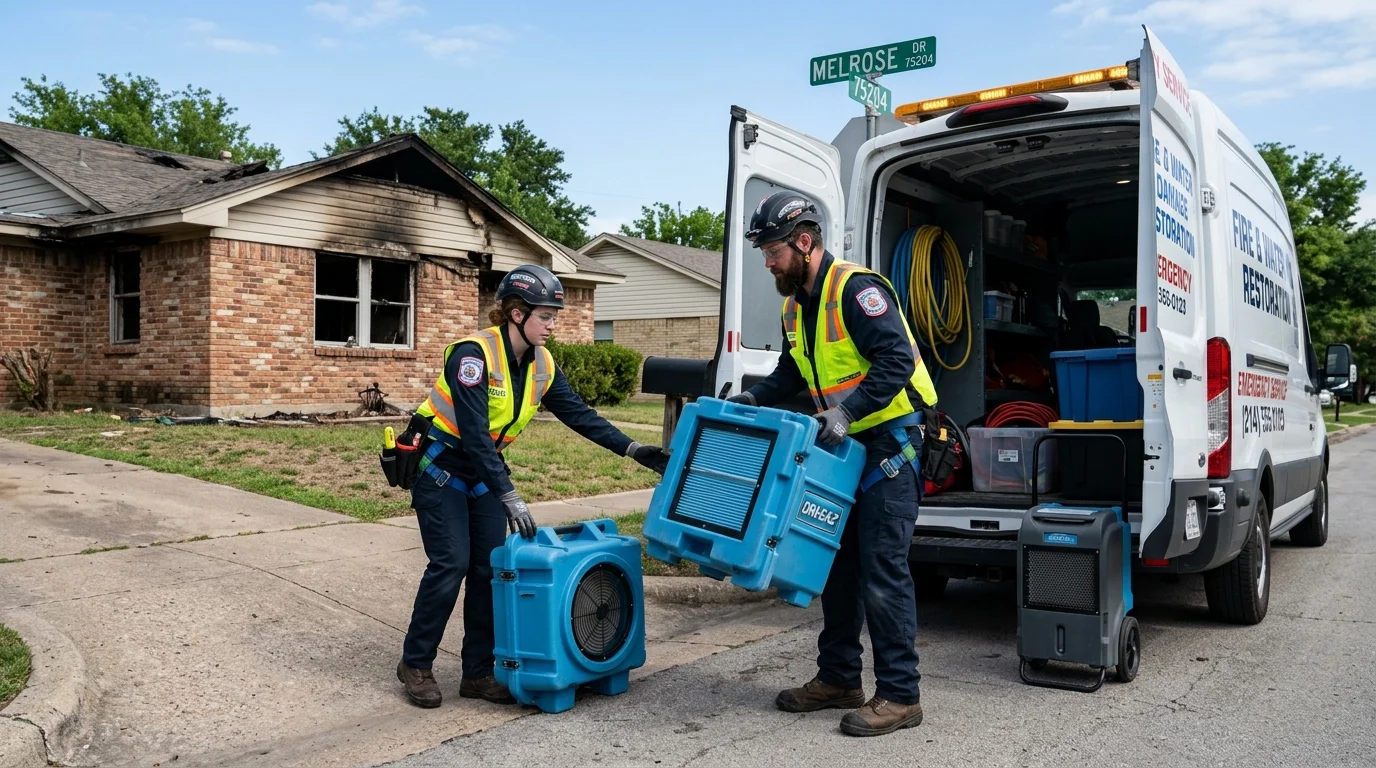
Dallas Kitchen Fire & Protein Soot Decontamination Desk
Class K degreasing crews, cabinetry technicians & appliance testing specialists deployed across Dallas County.
Technical Inspection Protocols for Fire-Exposed Appliances
Our certified appliance diagnostic technicians execute a rigorous four-point safety assessment before approving any appliance for continued operation:
1. Megohmmeter Insulation Testing
Insulation resistance testers test resistance between conductors and chassis ground at 500V to 1,000V DC to identify thermal insulation breakdown.
2. Control Board Inspection
Printed circuit boards are inspected for acidic chloride corrosion and cleaned with non-conductive, residue-free electronic solvents.
3. Gas Line & Solenoid Testing
Electronic combustible gas leak detection checks flexible lines, while pressure regulators and safety shutoff solenoids are tested for thermal distortion.
4. Internal Insulation Evaluation
Refrigerators and ovens with smoke-impregnated internal fiberglass or foam insulation are condemned as total losses to prevent permanent off-gassing.
Frequently Asked Questions
Can a refrigerator exposed to smoke be cleaned and kept?
If smoke entered the interior cooling compartment or penetrated the expanding foam insulation inside the refrigerator walls, the appliance is generally deemed non-salvageable. Porous plastic liners permanently absorb volatile organic compounds and rancid odors. If exposure was strictly external, professional coil degreasing and surface decontamination can restore the unit.
Why do insurance adjusters often write off dishwashers after a kitchen fire?
During a kitchen fire, firefighting water mixed with soot and ash pools around the base of the machine, submerging the wash motor, drain pump, and lower electrical wiring junction box. Repairing water-submerged electrical components usually exceeds the replacement value of the appliance.
Does your team provide written documentation for insurance claims?
Yes. Our technicians generate itemized diagnostic reports detailing serial numbers, exact megohmmeter electrical test readings, photographic evidence of heat/smoke intrusion, and a formal technician sign-off stating whether each appliance is safely restorable or requires total-loss replacement.
Related Kitchen Fire Restoration Solutions
Available Across All 51 Dallas ZIP Codes
Our emergency response and restoration specialists deploy 24/7 across every Dallas County neighborhood. Select your local district below for localized response details:
Fire Recovery & Technical Insights
What to Do in the First 24 Hours After a House Fire
Critical safety, insurance notification, and board-up steps once fire officials release the scene.
Understanding Smoke and Soot Types: Wet, Dry & Protein
Why household cleaning smears acidic soot and how chemical counteractants stop etching.
Navigating Fire Damage Insurance Claims
How Xactimate line-item estimates, ACV vs RCV, and Texas building ordinance coverage work.